- (647) 969-3759
- Monday - Sunday
- 8AM - 6 PM
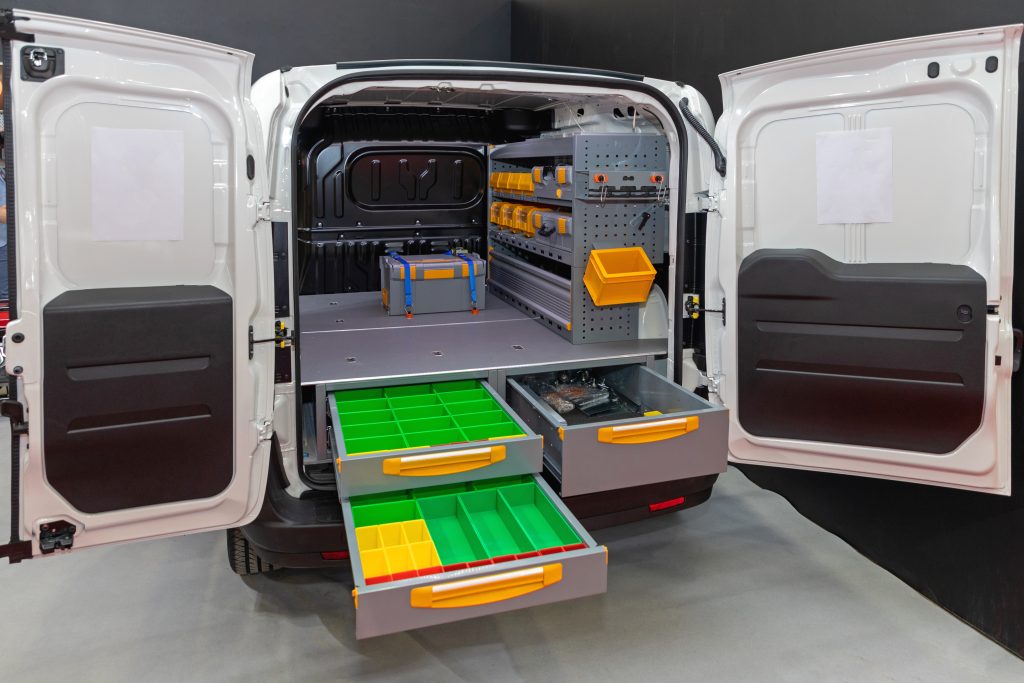
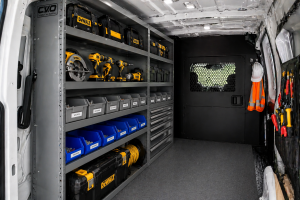
Choosing the right Ford Transit shelving is the fastest way to turn a large cargo van into an efficient mobile base, and Canadian Van Outfitters builds units for low, medium, and high roof models. The Transit is the workhorse of Canadian trades for good reason. It offers space, roof-height options, and a shape that suits almost any build. That flexibility is also a trap, because a big empty box invites clutter. A planned layout keeps all that room working for you.
This guide breaks down roof heights, door kits, and zone planning. You will see how to match storage to your model and your trade without wasting a single cubic foot.
The Transit comes in more shapes than almost any rival. That range is a gift once you plan around it. The trick is to build for the van you drive, not a generic template.
Take a moment to picture your busiest job before you read on. Hold that load in mind as we walk through each choice. It will make every decision below far easier to weigh.
Roof height shapes the whole build. A low-roof van keeps everything within arm’s reach from the ground. A high-roof van lets you stand up and stack taller units for real vertical gain.
Pick the height that fits your day. If you load and unload constantly, a low roof can be faster. If you work inside the van or carry tall gear, the high roof earns its keep.
Our low-roof storage layout keeps bins low and reachable. For taller vans, a high-roof unit with a door kit adds height and keeps parts secure on rough roads.
Many owners run two trades from one Transit. The fix is simple zoning. Give each trade a labelled section and keep shared tools in the middle.
For mixed or heavy loads, the full-size medium and high roof unit offers deep, flexible storage. Clear zones stop the two kits from bleeding into each other. That order saves real time on every job.
A large van hides a hidden risk. Loose cargo has more room to slide and gather speed. Secured shelving turns that risk into a controlled, quiet load.
The table below maps common Transit problems to a practical fix. Use it to sketch your first layout.
| Transit challenge | Why it happens | What we build |
|---|---|---|
| Gear slides in a big bay | Too much open space | Wall-mounted shelves that fill the walls |
| Parts spill on rough roads | Open bins | Shelving with a door kit |
| Two trades get mixed | No zoning plan | Labelled zones per trade |
| Wasted vertical space | Short shelves | High-roof units that stack upward |
Load securement is a safety duty, not an option. Keep heavy items low and strap tall loads. For an overview of road transport safety in Canada, see the guidance from Transport Canada.
Core shelves come first, then the extras that fit your trade. Each add-on should solve a real daily problem. Skip anything that does not earn its space.
Ford Transit shelving should match your model, your trade, and your routine. To compare heights and depths in one place, view our complete shelving range before you decide.
The best builds start with your calendar, not a catalogue. Map a typical week before you choose a layout. Note the jobs that need the most gear and the ones that travel light.
Ford Transit shelving should serve your busiest day. Plan for the load you carry when the week peaks. A build sized for your average day will fail you when it counts.
Think in zones, then in shelves. Assign each side of the van a clear purpose. Fill those zones with the shelf depths and heights that match your gear.
A growing business needs a build that can flex. Leave a little open wall for the tools you will add next year. That small buffer saves a full rebuild later.
Modular systems make growth easy. You add shelves, bins, and hooks as the work changes. The core stays the same while the details evolve.
Keep an eye on weight as you expand. More shelves invite more gear, and more gear adds mass. Balance the load across both walls and keep the heavy items low.
Standardize your bins where you can. Matching containers stack cleanly and swap between shelves. That consistency makes a large van feel simple to run.
A large van drifts back to clutter without habits. Reset bins at the end of each week. Return every tool to its labelled home before you lock up.
Check fasteners each season, since a big load creates more vibration. Wipe shelves monthly to keep grit off the finish. These small steps protect a build that should last for years.
Do a quick walk-through every Friday. Look for empty bins, stray tools, and anything out of place. Two minutes of review keeps a big van from sliding back into chaos.
Bring your crew into the system as well. Everyone should know where each tool lives. Shared habits keep the van tidy no matter who drives it that day.
A large Transit rewards discipline more than any small van. The extra space is a gift when it is managed and a mess when it is not. Good habits turn that space into a real advantage on every job.
Does Ford Transit shelving fit low, medium, and high roof models? Yes. We build units sized for each roof height, so the shelving suits your exact van. A low-roof layout keeps things within easy reach, while high-roof builds add vertical storage. We match the unit to your model before you order.
Should I add a door kit to my shelving? A door kit is worth it if you carry loose small parts or drive rough routes. It keeps bins closed on hard turns and adds a layer of security. Many trades add doors to the shelves nearest the rear.
How do I plan a Ford Transit build for two trades in one van? Split the van into zones. Give each trade its own labelled section and shared space for common tools. Clear zones stop the two kits from mixing and slowing you down.
Is a high-roof Transit worth the extra vertical space? For many trades, yes. The added height lets you stack taller shelves and stand while you work. That comfort reduces fatigue on long days and adds real storage without a longer van.
Ready to plan your build? Reach the team for honest guidance and a quote after we review your van and your trade.