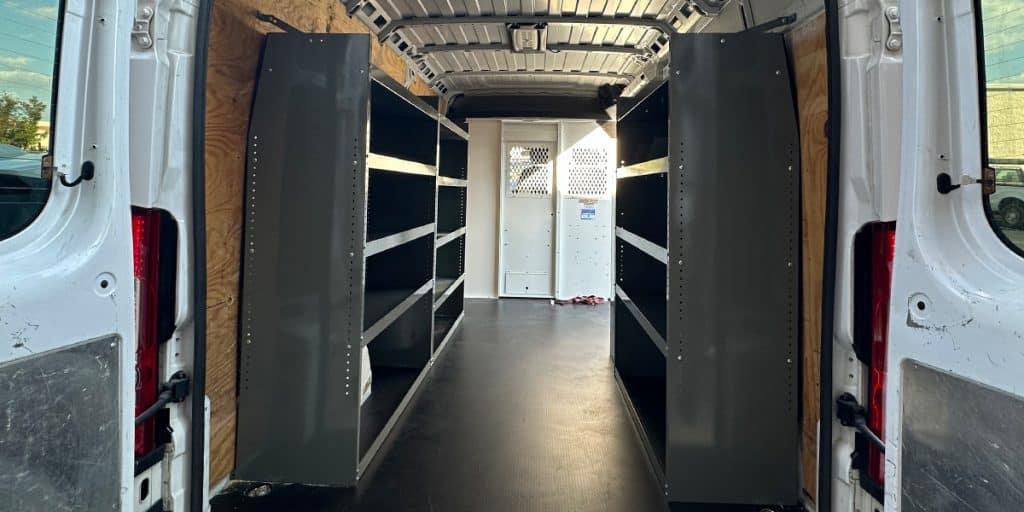
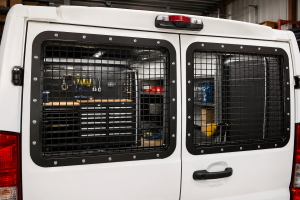
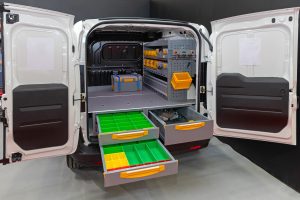
At Canadian Van Outfitters, the right cargo van shelving turns a cluttered box into a rolling workshop that saves you time on every call. Tradespeople lose minutes each day digging through loose tools and scattered parts. A planned storage system fixes that. It keeps heavy items low, fragile stock secure, and daily-use tools within reach. This guide walks through the common problems crews face, the fixes that work, and how to pick a layout that matches your trade and your vehicle.
Why Smart Cargo Van Shelving Matters
A disorganized van drains more than your patience. Industry estimates suggest trades workers can waste 30 to 60 minutes a day searching for tools and parts. Over a year, that adds up to real lost billable hours. Loose gear also shifts during hard stops, which creates a safety hazard for you and other drivers.
Well-built cargo van shelving solves these issues at the source. It gives every item a fixed home. It protects your inventory from damage. It also signals to customers that you run a professional operation. If you want a deeper look at workflow gains, our guide on how layout shapes your daily workflow breaks it down step by step.
Common Storage Problems and Their Solutions
Most storage headaches fall into a few clear categories. Once you name the problem, the fix becomes obvious. The table below maps the issue to a practical answer you can act on.
| Problem |
Likely Cause |
What We Recommend |
| Tools slide during driving |
No fixed mounting points |
Bolt-in shelving with lipped bins |
| Small parts get lost |
No dedicated small-part storage |
Drawer units and divided bins |
| Wasted vertical space |
Floor-only stacking |
Full-height shelf towers |
| Hard-to-reach stock |
Poor zone planning |
Group gear by task frequency |
Each fix is simple on its own. Together they transform how your day flows. You can explore ready-made options on our shelving and storage collection to see what fits.
Matching Layout to Your Trade
Every trade loads a van differently. A plumber carries fittings and pipe. An electrician carries spools and conduit. A cleaner carries bottles and machines. Your layout should reflect that reality.
Start by listing the items you touch most. Place those at waist height near the door. Store heavy, rarely used gear low and toward the axle. Keep fragile stock in enclosed bins. For a trade-by-trade breakdown, see our advice on choosing the right setup for your work.
Weight, Safety, and Load Balance
Payload matters as much as organization. Overloading one side strains your suspension and hurts handling. Spread weight evenly across both walls. Keep the heaviest loads low to protect your center of gravity.
Secure cargo is a legal and safety duty, not an option. Transport Canada stresses proper load securement for commercial vehicles. You can review federal guidance through Transport Canada. Following these basics protects your crew and your cargo on every trip.
Choosing the Right Cargo Van Shelving Materials
Material choice affects weight, durability, and rust resistance. Aluminum stays light and shrugs off corrosion. That helps fuel economy and payload. Steel offers raw strength for the heaviest loads. Many crews combine both to balance the two.
Think about your climate too. Road salt and winter moisture punish bare steel. Powder-coated or aluminum units hold up far better in Canadian conditions. Choose the material that matches how hard you run your van.
Frequently Asked Questions
How do I know what cargo van shelving fits my vehicle?
Measure your interior length, height, and wall depth before you shop. Then match those numbers to a unit built for your make and roof height. Our team can confirm the fit for you if you share your year, make, and model.
Is aluminum or steel better for cargo van shelving?
Aluminum keeps weight down and resists rust, which helps your payload and your fuel use. Steel adds strength for very heavy loads. Many crews mix both, and we can help you decide based on what you haul.
Will shelving reduce my carrying capacity?
Good layouts actually increase usable space by stacking storage vertically. You free up floor room for large items. The key is choosing depths that leave a clear walking path.
Can I install cargo van shelving myself?
Many units bolt to existing mounting points with common hand tools. Written instructions and hardware come with each kit. If you prefer, a local upfitter can handle the install for you.
Contact Canadian Van Outfitters
Ready to plan your next build? Our team is happy to help you match the right gear to your trade.
- Phone: (647) 969-3759
- Address: 124 Connie Cres. Unit 6, Concord, ON, L4K 1L7
- Hours: Monday – Sunday, 8AM – 6PM
Reach out for an honest assessment, and we will provide a clear quote after we review your needs.